Personal Finance & Investment Insights — Simplified
Top 10 Personal Finance Tips
1.Spend Less Than You Earn
3.Eliminate High-Interest Debt
1.Spend Less Than You Earn

The golden rule. If you don’t consistently save, nothing else works.
2.Build an Emergency Fund
3.Eliminate High-Interest Debt
1.Spend Less Than You Earn

Save 3–6 months of expenses to avoid going into debt when life happens.
3.Eliminate High-Interest Debt
3.Eliminate High-Interest Debt
3.Eliminate High-Interest Debt

Credit cards and payday loans destroy wealth—pay them off aggressively.
4.Automate Savings and Bills
4.Automate Savings and Bills
3.Eliminate High-Interest Debt

Automation makes good financial behavior effortless and consistent.
5.Start Investing Early
4.Automate Savings and Bills
6.Live Below Your Means

Use retirement accounts and low-cost index funds to harness compound growth.
6.Live Below Your Means
4.Automate Savings and Bills
6.Live Below Your Means

Keep housing and car costs reasonable—these have the biggest impact.
7.Diversify and Manage Risk
8.Protect Yourself With Insurance
8.Protect Yourself With Insurance
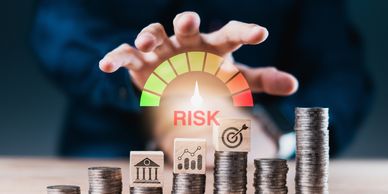
Don’t put all your money in one place; spread investments wisely.
8.Protect Yourself With Insurance
8.Protect Yourself With Insurance
8.Protect Yourself With Insurance

Health, disability, auto, and life insurance prevent financial catastrophe.
9.Increase Your Income Over Time
8.Protect Yourself With Insurance

Build skills, negotiate pay, and grow income instead of relying only on cutting costs.
10.Set Clear Financial Goals
10.Set Clear Financial Goals

Goals give your money purpose and keep you on track as life changes.
Spend Less Than You Earn:The Golden Rule of Personal Finance
Managing money can feel overwhelming, but one principle stands above all others in personal finance: spend less than you earn. Often called the “golden rule” of personal finance, it’s the foundation for financial freedom, debt elimination, and long-term wealth building.
In this article, we’ll break down why this principle matters, explore the psychology of overspending, and provide practical strategies to help you consistently spend less than you earn.
Why Spending Less Than You Earn Is Crucial
Even though it sounds simple, many people struggle to live within their means. Overspending can lead to:
- Credit card debt
- Payday loans
- Insufficient savings for emergencies or retirement
By consistently spending less than you earn, you create a financial buffer. This allows you to:
- Build savings
- Invest in your future
- Handle unexpected expenses without stress
Spending less than you earn is the foundation of every successful financial strategy. Without it, saving or investing becomes almost impossible.
The Psychology Behind Overspending
Understanding why overspending happens can help you stop it:
- Instant Gratification: Many people prefer immediate spending over saving for future goals.
- Lifestyle Inflation: Higher income often leads to bigger houses, cars, or luxury purchases.
- Social Pressure: Social media and friends can make you feel the need to “keep up.”
- Lack of Awareness: People often don’t know where their money goes each month.
Recognizing these patterns is the first step toward taking control of your finances.
Step 1: Know Your Income and Expenses
To spend less than you earn, you must know your numbers.
Calculate Your Income
Include all sources, such as:
- Salary or wages
- Freelance or side income
- Bonuses or dividends
Track Your Expenses
Write down every expense for at least a month, including:
- Housing (rent/mortgage)
- Utilities
- Groceries
- Transportation
- Subscriptions and entertainment
Categorize Spending
Break expenses into:
- Needs: Essentials like food, rent, and utilities
- Wants: Non-essential spending like dining out or entertainment
Tracking spending gives clarity and helps identify areas for adjustment.
Step 2: Create a Budget
A budget is your roadmap to financial freedom. It helps you allocate money to essentials, savings, and discretionary spending.
Popular Budgeting Methods
- 50/30/20 Rule: 50% needs, 30% wants, 20% savings/debt repayment
- Zero-Based Budgeting: Assign every dollar a purpose
- Envelope System: Use cash envelopes for categories to avoid overspending
Budgets work because they turn abstract goals into actionable steps.
Step 3: Cut Unnecessary Expenses
Even small changes can have a big impact. Consider:
- Canceling unused subscriptions
- Cooking at home instead of eating out
- Shopping smarter for groceries
- Finding cheaper alternatives for non-essential purchases
These adjustments free up money for savings or investments.
Step 4: Avoid Lifestyle Inflation
Lifestyle inflation is a common trap. When your income rises, resist the urge to upgrade everything. Instead:
- Allocate extra income to savings or investments
- Pay down debt faster
- Boost your emergency fund
This ensures your financial growth accelerates without unnecessary spending.
Step 5: Use Cash or Debit Instead of Credit
Credit cards are convenient but can lead to overspending and high-interest debt. Paying with cash or debit:
- Helps you stay within your budget
- Encourages mindful spending
- Avoids accumulating debt
If you use credit cards, pay the balance in full each month.
Step 6: Automate Savings
Make savings automatic. Treat it like a fixed monthly expense.
- Set up transfers to savings or investment accounts
- Contribute automatically to retirement accounts
- Pay bills automatically to avoid late fees
Automation ensures you save before you have a chance to spend.
Step 7: Set Spending Limits for Discretionary Expenses
Set limits for non-essential spending like entertainment, dining, or shopping. Monitoring and adhering to these limits reinforces financial discipline and prevents overspending.
Benefits of Spending Less Than You Earn
Following this principle transforms your financial life:
- Financial Security: Build an emergency fund and avoid debt.
- Reduced Stress: Knowing your spending is under control relieves financial anxiety.
- Wealth Building: Surplus money can be invested for long-term growth.
- Freedom and Flexibility: Gain options for career changes, travel, or early retirement.
Overcoming Common Challenges
Even with strong intentions, challenges arise:
- Impulse Buying: Wait 24 hours before making non-essential purchases.
- Peer Pressure: Surround yourself with financially conscious people.
- Irregular Income: Base your budget on average monthly income and save for lean months.
Consistency and accountability are key.
Real-Life Example
Sophia, a recent graduate, earned $3,000 per month but spent $3,200, going into credit card debt. After tracking her expenses, she discovered $400 went to eating out and unused subscriptions. By cutting these costs, she spent $2,800 and saved $200 monthly. Over a year, she saved $2,400—demonstrating the power of living below her means.
Conclusion
Spending less than you earn is the cornerstone of financial success. While it requires discipline, careful tracking, and lifestyle adjustments, the benefits are profound: financial security, reduced stress, and accelerated wealth-building.
Start today by reviewing your expenses, creating a budget, cutting unnecessary costs, and automating savings. Remember, wealth isn’t about how much you earn—it’s about how much you keep and grow. Master this golden rule, and your financial freedom will follow.

Learn how to cut unnecessary spending and save more each month.
Emergency Fund
Why an Emergency Fund Is the Most Important Part of Your Personal Finances
When people talk about personal finance, the conversation usually revolves around investing, passive income, or building wealth. While those topics are important, they all rest on one critical foundation that often gets overlooked: an emergency fund.
An emergency fund is not exciting. It does not promise quick returns or financial freedom overnight. Yet, it is one of the most powerful tools you can have to protect your money, your mental peace, and your future plans.
Life is unpredictable. Unexpected expenses can appear without warning, and when they do, they can easily disrupt your finances if you are not prepared. An emergency fund exists to help you handle these situations calmly, without panic, debt, or long-term damage to your financial goals.
In this article, we will explore why an emergency fund is essential, how it works, how much you should save, and how to build one step by step, even if your income is limited.
What Is an Emergency Fund?
An emergency fund is money that you set aside specifically to cover unexpected and urgent expenses. This money is not meant for planned spending like vacations, gadgets, or shopping. It is reserved only for situations that are necessary and unavoidable.
Examples of real emergencies include:
- Sudden job loss or reduced income
- Medical expenses not fully covered by insurance
- Urgent car repairs
- Critical home repairs such as plumbing or electrical issues
- Family emergencies that require immediate financial support
The key idea behind an emergency fund is simple: it gives you time and options when something goes wrong.
Why Emergency Funds Matter More Than You Think
1. Life Does Not Follow a Perfect Budget
No matter how carefully you plan your monthly budget, life will eventually surprise you. Expenses that you did not plan for can appear at the worst possible time.
Without an emergency fund, even a small unexpected expense can create stress and force you to make poor financial decisions. With an emergency fund, you can handle these situations without disrupting your entire financial life.
2. It Helps You Avoid Debt
One of the most common reasons people fall into debt is emergencies. When there is no savings buffer, people often rely on credit cards or loans to cover urgent expenses.
While borrowing may solve the immediate problem, it usually creates a long-term one. High interest rates, monthly repayments, and growing balances can quickly become overwhelming.
An emergency fund allows you to pay for unexpected expenses with your own money, keeping you out of unnecessary debt.
3. It Reduces Financial Stress
Money problems are one of the biggest sources of stress for individuals and families. The constant worry about “what if something goes wrong” can affect sleep, relationships, and overall mental health.
Having an emergency fund provides reassurance. You know that if something unexpected happens, you have a financial cushion to fall back on. This sense of security alone makes an emergency fund extremely valuable.
4. It Protects Your Long-Term Goals
Without emergency savings, unexpected expenses can force you to:
- Pause or stop investing
- Use retirement savings early
- Sell investments at the wrong time
- Delay important financial goals
An emergency fund acts as a protective barrier. It absorbs financial shocks so your long-term plans can stay on track.
5. It Gives You Freedom and Flexibility
An emergency fund gives you control over your choices. For example, if you lose your job, you are not forced to accept the first opportunity out of desperation. You have time to search for a role that fits your skills and goals.
Financial flexibility is not about being rich; it is about having options. An emergency fund creates those options.
How Much Money Should You Keep in an Emergency Fund?
There is no one-size-fits-all answer, but a commonly recommended guideline is three to six months of essential expenses.
Factors That Affect Your Ideal Emergency Fund Size
- Job stability: A stable job may require a smaller fund, while freelancers or business owners often need a larger one.
- Income consistency: Irregular income increases the need for savings.
- Family responsibilities: Supporting dependents usually means higher expenses and a larger safety net.
- Health and insurance: Limited coverage may require more emergency savings.
- Debt obligations: Fixed monthly payments increase financial risk.
How to Calculate Your Emergency Fund Goal
Start by listing your essential monthly expenses, such as:
- Rent or mortgage
- Utilities
- Groceries
- Transportation
- Insurance
- Minimum debt payments
Multiply this number by the number of months you want to cover.
For example:
- Monthly essentials: $2,000
- Target: 6 months
- Emergency fund goal: $12,000
This number becomes your long-term target, not something you need to reach immediately.
Where Should You Keep Your Emergency Fund?
Emergency funds should be easy to access and safe from market fluctuations.
Suitable Options Include:
- High-yield savings accounts
- Money market accounts
- Short-term deposits that allow easy withdrawals
Avoid Storing Emergency Funds In:
- Stocks or mutual funds
- Cryptocurrencies
- Long-term fixed deposits with penalties
- Retirement accounts
The purpose of an emergency fund is security, not high returns.
How to Build an Emergency Fund Step by Step
Building an emergency fund may feel difficult at first, especially if money is tight. The good news is that progress matters more than perfection.
Step 1: Start with a Small Goal
Instead of focusing on several months of expenses, start with a simple target such as:
- $500
- $1,000
- One month of essential expenses
Small milestones build confidence and motivation.
Step 2: Open a Separate Savings Account
Keeping your emergency fund separate from your regular spending account reduces temptation and makes it easier to track progress.
Step 3: Save Consistently
Set up automatic transfers if possible. Even a small amount saved regularly can grow into a meaningful fund over time.
Consistency matters more than the amount.
Step 4: Reduce Non-Essential Spending Temporarily
Cutting back on optional expenses for a short period can significantly speed up your progress. These sacrifices are temporary, but the security you gain is long-lasting.
Step 5: Use Extra Income Wisely
Bonuses, tax refunds, gifts, or side income are excellent opportunities to boost your emergency fund.
Common Myths About Emergency Funds
“I Have Credit Cards, So I Don’t Need Savings”
Credit cards are borrowed money. Emergency funds are your own money. The difference matters.
“Emergency Funds Are Not Worth It Because They Don’t Earn Much”
An emergency fund is not an investment. It is financial protection. Its value lies in stability, not returns.
“I’ll Start Saving When I Earn More”
Emergencies do not wait for income increases. Starting small today is far better than waiting for a perfect time.
Emergency Funds and Other Financial Goals
An emergency fund does not replace investing, retirement planning, or other savings goals. It supports them.
- Emergency fund: Handles the unexpected
- Investments: Build long-term wealth
- Sinking funds: Pay for planned expenses
Each has a different role, and all are important.
When Should You Use Your Emergency Fund?
Use your emergency fund only for genuine emergencies, such as:
- Loss of income
- Medical issues
- Essential repairs related to safety or basic living
Avoid using it for non-essential purchases or lifestyle upgrades.
Once the emergency passes, rebuilding the fund should become a priority.
Emergency Funds at Different Stages of Life
Young Adults and Students
Even a small emergency fund can prevent unnecessary debt.
Working Professionals
A three to six-month fund provides stability and confidence.
Families
Higher responsibilities make emergency savings even more important.
Retirees
Emergency funds help manage unexpected medical and living expenses.
The Long-Term Benefits of an Emergency Fund
Over time, an emergency fund:
- Builds financial discipline
- Reduces anxiety around money
- Encourages better decision-making
- Protects progress toward long-term goals
Many people discover that once they have a solid emergency fund, managing money becomes much easier.
Final Thoughts
An emergency fund may not be the most exciting part of personal finance, but it is one of the most important. It protects you during difficult moments and allows you to move forward with confidence.
Before focusing on investments or lifestyle upgrades, make sure you have a solid financial safety net. Start small, stay consistent, and give your future self the gift of financial security.
Disclaimer: This article is for educational purposes only and does not constitute financial advice. Always consider your personal financial situation before making financial decisions.
Secure your financial future—start building your emergency fund today
Eliminate High-Interest Debt
The Importance of Eliminating High-Interest Debt: A Complete Guide to Financial Freedom
High-interest debt is one of the biggest obstacles standing between individuals and long-term financial freedom. It quietly drains income, creates constant stress, and keeps people trapped in a cycle of living paycheck to paycheck. Whether it comes from credit cards, payday loans, personal loans, or store cards, high-interest debt can sabotage even the best financial intentions.
If you are serious about improving your financial health, eliminating high-interest debt should be one of your top priorities. This article explores why high-interest debt is so damaging, how it affects your financial and emotional well-being, and practical strategies to eliminate it permanently. By the end, you will understand why tackling this debt is a life-changing step toward wealth, stability, and peace of mind.
What Is High-Interest Debt?
High-interest debt refers to any borrowed money that carries a significantly higher interest rate than average. The most common examples include:
- Credit cards with APRs ranging from 18% to over 30%
- Payday loans with triple-digit interest rates
- Personal loans with unfavorable terms
- Buy-now-pay-later plans with hidden fees
- Store cards offering promotional rates that later spike
Unlike low-interest debt such as mortgages or some student loans, high-interest debt grows rapidly. Even small balances can balloon into overwhelming amounts if not managed carefully.
Why High-Interest Debt Is Financially Dangerous
1. Interest Works Against You
Interest is either your greatest ally or your worst enemy. When investing, compound interest builds wealth. When borrowing at high rates, compound interest destroys it.
For example, a $5,000 credit card balance at 24% APR can take years to pay off if you only make minimum payments. During that time, you may end up paying thousands of dollars in interest alone.
That money could have been invested, saved, or used to improve your quality of life.
2. It Keeps You Stuck in a Debt Cycle
High-interest debt is designed to keep borrowers trapped. Minimum payments are often structured to barely cover interest, making it difficult to reduce the principal balance.
Many people fall into a pattern of:
- Paying one card
- Using another card for expenses
- Transferring balances
- Repeating the cycle
This creates the illusion of progress while the overall debt remains the same or even increases.
3. It Destroys Cash Flow
Every dollar spent on interest is a dollar you cannot use elsewhere. High-interest debt eats into your monthly income, limiting your ability to:
- Build an emergency fund
- Save for retirement
- Invest in education or business
- Enjoy life experiences
Eliminating high-interest debt frees up cash flow almost immediately, giving you more control over your money.
4. It Negatively Impacts Your Credit Score
High balances and frequent credit usage increase your credit utilization ratio, which is one of the biggest factors affecting your credit score.
A lower credit score can result in:
- Higher interest rates on future loans
- Difficulty renting an apartment
- Higher insurance premiums
- Limited financial opportunities
Paying off high-interest debt improves your credit profile and opens doors to better financial products.
The Emotional and Psychological Cost of High-Interest Debt
1. Constant Stress and Anxiety
Debt-related stress is one of the leading causes of anxiety and sleepless nights. Many people feel overwhelmed, ashamed, or hopeless about their financial situation.
The pressure of due dates, collection calls, and mounting balances can affect mental health, relationships, and job performance.
2. Reduced Decision-Making Power
When you are drowning in debt, your choices become limited. You may:
- Stay in a job you hate
- Delay starting a business
- Avoid taking calculated risks
- Postpone important life goals
Debt removes freedom. Eliminating it restores your ability to choose.
3. Strain on Relationships
Money problems are a major cause of conflict in relationships. High-interest debt can lead to arguments, mistrust, and emotional distance between partners.
Paying off debt together can strengthen communication, trust, and shared financial goals
.
Why Eliminating High-Interest Debt Should Be a Top Priority
1. Guaranteed Return on Investment
Paying off high-interest debt offers a risk-free return equal to the interest rate you eliminate. For example, paying off a credit card with 25% APR is equivalent to earning a guaranteed 25% return on your money.
Few investments can match that level of certainty.
2. Financial Stability and Security
Without high-interest debt, unexpected expenses become easier to manage. You are less likely to rely on credit cards or loans during emergencies.
Debt freedom creates a solid foundation for building savings and wealth.
3. Faster Progress Toward Financial Goals
Once high-interest debt is gone, you can redirect those payments toward:
- Emergency funds
- Retirement accounts
- Investments
- Home ownership
- Travel and personal growth
Progress accelerates dramatically when interest is no longer working against you.
Proven Strategies to Eliminate High-Interest Debt
1. List All Your Debts Clearly
Start by writing down:
- Creditor name
- Interest rate
- Balance
- Minimum payment
Seeing everything in one place provides clarity and motivation.
2. Use the Debt Avalanche Method
The debt avalanche focuses on paying off debts with the highest interest rate first while making minimum payments on others.
Why it works:
- Saves the most money on interest
- Faster overall payoff
- Mathematically efficient
This method is ideal for people motivated by logic and long-term savings.
3. Consider the Debt Snowball Method
The debt snowball targets the smallest balances first, regardless of interest rate.
Why it works:
- Builds momentum quickly
- Provides emotional wins
- Keeps motivation high
This approach is best for those who need visible progress to stay committed.
4. Cut Expenses and Redirect Savings
Review your monthly spending and identify areas to cut back:
- Dining out
- Subscriptions
- Impulse purchases
- Unused memberships
Even small cuts can add hundreds of dollars per month toward debt repayment.
5. Increase Your Income
Boosting income accelerates debt elimination. Consider:
- Freelancing
- Overtime work
- Selling unused items
- Starting a side hustle
- Negotiating a raise
Every extra dollar should go toward high-interest debt until it is eliminated.
6. Avoid Accumulating New Debt
While paying off debt, it is critical to avoid adding new balances. Practical steps include:
- Using cash or debit cards
- Freezing credit cards temporarily
- Building a small emergency fund
- Practicing mindful spending
Debt elimination requires discipline, but the rewards are worth it.
Should You Consolidate High-Interest Debt?
Debt consolidation can be helpful if done correctly. Options include:
- Balance transfer credit cards with 0% APR offers
- Personal loans with lower interest rates
- Credit union loans
Important considerations:
- Watch for fees and promotional periods
- Avoid closing cards immediately if it hurts credit
- Do not use freed-up credit to accumulate more debt
Consolidation works best when paired with strong spending habits.
Common Mistakes to Avoid
- Paying only minimum payments
- Ignoring interest rates
- Using retirement funds to pay debt
- Falling for quick-fix debt relief scams
- Giving up after setbacks
Debt elimination is a process, not an overnight transformation.
Life After High-Interest Debt
1. Improved Financial Confidence
Being debt-free changes how you see money. You gain confidence in your ability to manage finances and plan for the future.
2. More Freedom and Flexibility
Without debt payments, you can:
- Travel more
- Save aggressively
- Invest confidently
- Take career risks
- Enjoy guilt-free spending
Freedom is the true reward of eliminating high-interest debt.
3. A Stronger Wealth-Building Mindset
Debt freedom shifts your focus from survival to growth. You begin to think long-term and make intentional financial decisions.
Final Thoughts: Take Control Today
High-interest debt is not just a financial burden. It is a barrier to peace, freedom, and opportunity. The longer it remains unpaid, the more power it has over your life. Eliminating high-interest debt is one of the smartest financial decisions you can make. It offers guaranteed returns, emotional relief, and a clear path toward wealth and stability. No matter where you are starting from, progress is possible. Take the first step today. Your future self will thank you. Remember: Financial freedom is not about how much you earn. It is about how much you keep and how wisely you use it. If you commit to eliminating high-interest debt now, you are choosing control, confidence, and a better financial future.

High-interest debt grows quickly and can drain your income if not eliminated early.
Automate Savings and Bills
The Ultimate Guide to Financial Efficiency
In modern personal finance, automation is no longer optional — it’s a cornerstone of efficient money management. Whether you’re just starting your financial journey or building toward long-term wealth, setting up automated systems for your savings and bills can radically reduce stress, eliminate missed payments, and help you grow your net worth faster.
“Automate Savings and Bills” is cited as a key personal finance strategy because it turns good intentions into consistent actions. Automation makes saving and bill payment effortless and reliable, ensuring you stay on track even when life gets busy.
This article breaks down everything you need to know about automating your finances — from core concepts and psychology to step‑by‑step setup and advanced strategies that work across different income levels.
1. Why Automate Your Savings and Bills?
Automation is about eliminating friction in financial routines. Instead of relying on willpower or memory, money is moved for you at scheduled intervals — reliably, consistently, and without daily effort.
1.1 The Psychology of Automation
At its core, automation leverages human psychology in your favor:
- Out of sight, out of mind: When money arrives already saved or bills are already paid, temptation and forgetfulness are removed.
- Habit without effort: Repeated behaviors become habits when repeated consistently — automation ensures that repetition without friction.
- Avoid decision fatigue: Financial decisions can drain cognitive energy. Automation reduces the need for repetitive choices.
This aligns with what financial experts describe as the “set it and forget it” approach to money — by the time you see your paycheck, the most important allocations have already been made.
1.2 Core Benefits of Automation
Automating savings and bills delivers multiple measurable benefits:
- Never miss a payment: Late fees and credit score damage from late bill payments are eliminated.
- Builds financial discipline: Makes saving predictable and consistent.
- Reduces financial stress: You don’t have to actively remember payment dates or savings goals.
- Improves financial outcomes: Savings grow steadily over time; bills no longer interrupt your cash flow.
Now that we understand why automation matters, let’s look at what you can automate and how to do it effectively.
2. What Should You Automate?
There are four major areas where automation drives the greatest benefit:
- Savings transfers
- Bill payments (utilities, rent, subscriptions)
- Debt payments
- Investments and retirement contributions
2.1 Automate Savings Transfers
One of the most powerful automation strategies is automatically moving money from your checking account into savings — the moment you get paid.
Pay Yourself First
This principle means treating your savings contribution like a bill — non‑negotiable. Long‑time personal finance experts often call this “paying yourself first.” Automating this ensures you save before you spend.
Steps to Automate Savings:
- Identify savings goals – e.g., emergency fund, travel, house down payment.
- Choose the right accounts – High‑yield savings accounts or dedicated goal accounts.
- Set recurring transfers – Align with your pay schedule (weekly, bi‑weekly, monthly).
- Grow overtime — increase amounts with income raises or goal achievement.
For example, setting a weekly transfer of $50 from checking to savings means at the end of the month, you’ve saved $200 without thinking about it. Automation makes consistency effortless.
2.2 Automate Bill Payments
Bills — whether utilities, rent/mortgage, insurance, or subscription services — are ideal candidates for automation.
Automating bills ensures:
- On‑time payments
- No late fees
- Consistent budgeting
Most banks and service providers offer automatic bill pay via:
- Recurring ACH transfers
- Credit card auto‑pay
- Bank bill pay tools
When setting up auto‑payments:
- Schedule payments after payday to reduce overdraft risk.
- For variable bills (electricity, water), choose a payment system that allows maximum limits or buffers to avoid over‑debits.
2.3 Automate Debt Payments
While this overlaps with bill automation, debt payments deserve special attention.
Why automate debt?
- Prevents interest buildup
- Keeps you on track with repayment plans
- Can accelerate payoff if consistent
Automated debt payments apply especially to:
- Student loans
- Credit cards
- Auto or personal loans
You can even schedule extra payments automatically (e.g., $25 monthly to the highest‑interest debt).
2.4 Automate Investments & Retirement
Technically, this is a financial automation tier beyond savings and bills, but it’s important because automated investments lead to long‑term wealth growth.
Common automation here includes:
- 401(k) contributions
- IRA monthly transfers
- Regular deposits into ETFs or index funds
Many robo‑advisors and brokerages allow you to set:
- Repeating deposits
- Dollar‑cost averaging strategies
- Automatic reinvestment of dividends
3. How to Set Up Automation: Step‑by‑Step
Now we’ll cover exactly how to automate savings and bills, including tools, timing, and practical tips.
3.1 Step 1: Audit Your Income and Expenses
Before automation, understand your cash flow. List:
- Monthly income
- Fixed expenses
- Variable expenses
- Existing savings rate
Create a simple spreadsheet or use budgeting apps to map this out.
Automation only works well if the baseline budget is accurate and you know when money enters and exits your accounts.
3.2 Step 2: Choose Financial Tools
You don’t need fancy tools — most banks support:
- Recurring transfers
- Scheduled bill payments
- Direct deposit splits
Best tool options include:
- Your bank’s online portal
- Budgeting apps that integrate with bank accounts (Mint, YNAB)
- Bill management apps
- High‑yield savings accounts separately from checking
3.3 Step 3: Set Up Direct Deposit Splits
If possible, configure your payroll direct deposit:
- X% of income to savings
- Y% to checking for bills
- The remainder to spending
This pre‑allocates your income before you ever see it — a serious automation win.
3.4 Step 4: Create Scheduled Transfers
If direct split isn’t available:
- Use automatic transfers timed with your pay date
- Weekly or biweekly transfers often work best
Example:
- Payday: 1st of month
- Schedule: Savings transfer of $300 on the 2nd
- Bills payment: on the 5th
Repeat each cycle with triggers.
3.5 Step 5: Automate Bill Payments
Most banks let you:
- Set recurring payments
- Use automatic ACH transfers
- Enroll in vendor auto‑pay
Best practices:
- Set payments a few days after payday
- Keep a buffer in the account to avoid overdraft
- For varying bills, choose a cap or buffer rule instead of automatic exact amount only to avoid surprises.
4. Advanced Strategies for Automation
Once basic automation is in place, consider strategies that take your system to the next level.
4.1 Separate Accounts for Different Goals
Instead of one general savings, create multiple savings “buckets”:
- Emergency Fund
- Vacation
- Large Purchases
- Anniversary Gift Fund
Most modern banks and fintech apps support sub‑account structures or labels.
This way, when automation moves money, it goes directly into specific goals — making progress more visible and intentional.
4.2 Use Automation for Variable Savings
If you receive irregular income:
- Automate smaller base amounts
- Set triggers to automatically sweep excess balances to savings
For example:
- Once checking exceeds a threshold ($1,500), transfer 20% to savings
This keeps savings growing even with variable income.
4.3 Buffer and Guardrails
While automation is powerful, guardrails prevent mistakes:
Buffer Accounts:
Keep a buffer amount in checking to absorb timing mismatches and variable bills.
Alerts and Notifications:
Even automated systems should:
- Send confirmations
- Alert you of low balance
- Notify of large withdrawals
These protect against errors and fraud.
4.4 Regular Review Cycle
Schedule a monthly or quarterly review to:
- Adjust transfer amounts
- Update bill schedules
- Reallocate savings goals
- Cancel obsolete subscriptions
Automation doesn’t mean ignore it forever — it means reduce work and improve outcomes.
5. Common Pitfalls and How to Avoid Them
Automation can help — but only if set up correctly. Here are typical mistakes and how to fix them:
5.1 Scheduling After Payday
Mistake: Payments hit before money arrives → overdrafts.
Solution: Schedule savings and bills a day or two after paycheck lands.
5.2 Automating Too Much Too Soon
Mistake: Over‑automating from the start causes cash flow stress.
Solution: Start with conservative amounts and increase gradually.
5.3 Forgetting Subscriptions
Mistake: Subscriptions set to auto‑renew unnoticed.
Solution: Quarterly subscription audit as part of your review cycle.
5.4 Ignoring Variable Bills
Mistake: Treating fluctuating utilities as fixed payments.
Solution: Use buffer categories or high‑average caps to avoid shortfalls.
6. Real Life Automation Examples
Here are practical automation setups most households can adopt:
Example 1: Salaried Professional
Income: Monthly salary
Automations:
- 10% of salary to emergency savings on payday
- 5% to travel fund
- Bills (utilities, rent) on auto‑pay
- Credit card statement set to autopay full amount
Example 2: Freelancer with Variable Income
Income: Irregular
Automations:
- Monthly base transfer to savings (small amount)
- Extra transfer if checking > $2,000
- Subscription renewals auto‑paid
- Quarterly review with adjustments
Example 3: Young Professional Early in Career
Income: Entry level
Automations:
- Split direct deposit: 15% savings, remainder to checking
- Bills autopay
- Retirement contributions automated
- Buffer of $300 in checking
7. Tools That Make Automation Easier
Here are tools and platforms that support automated financial management:
- Bank recurring transfers and auto‑bill pay
- High‑yield savings accounts
- Budgeting apps with auto‑sync
- Investment platforms with scheduled contributions
- Round‑up features that push spare change to savings
Most banks now offer built‑in automation features. The key is using multiple tools in concert rather than relying on a single one.
Conclusion
Automating savings and bills is one of the most impactful financial habits you can adopt. It turns the often‑difficult tasks of saving and bill paying into reliable, automatic routines that support your long‑term financial goals. With automation:
✔ You save consistently without thinking.
✔ You eliminate late fees and protect your credit.
✔ You reduce money anxiety.
✔ You build real progress toward financial freedom.
Start step by step — audit your cash flow, choose your tools, establish transfers, and schedule regular reviews. Over time, you’ll find automation not only saves money but also saves time and energy — giving you financial control with minimal effort.